
About Our Centre
Our new Retinal Surgery Center offers advanced, compassionate care for retinal conditions with state-of-the-art technology and minimally invasive procedures. Specializing in diseases like macular degeneration, diabetic retinopathy, and retinal detachment, our skilled specialists provide personalized care in a patient-centered environment.
Additionally, we’re excited to offer a new service that brings expert retinal care and surgery directly to patients within their province, eliminating the need for travel and ensuring high-quality, convenient treatment locally.
Island Retinal Surgery Centre offers advanced eye surgery to improve vision and give hope. Our professionals are dedicated to high-quality care, always prioritizing patient well-being. We focus on precision and innovation to achieve great results. Trust us for expert care and custom surgical solutions. Experience our compassionate retinal surgery and care at Island Retinal Surgery Centre.
How to Promote Eye Health
Meet Our Incredible Team
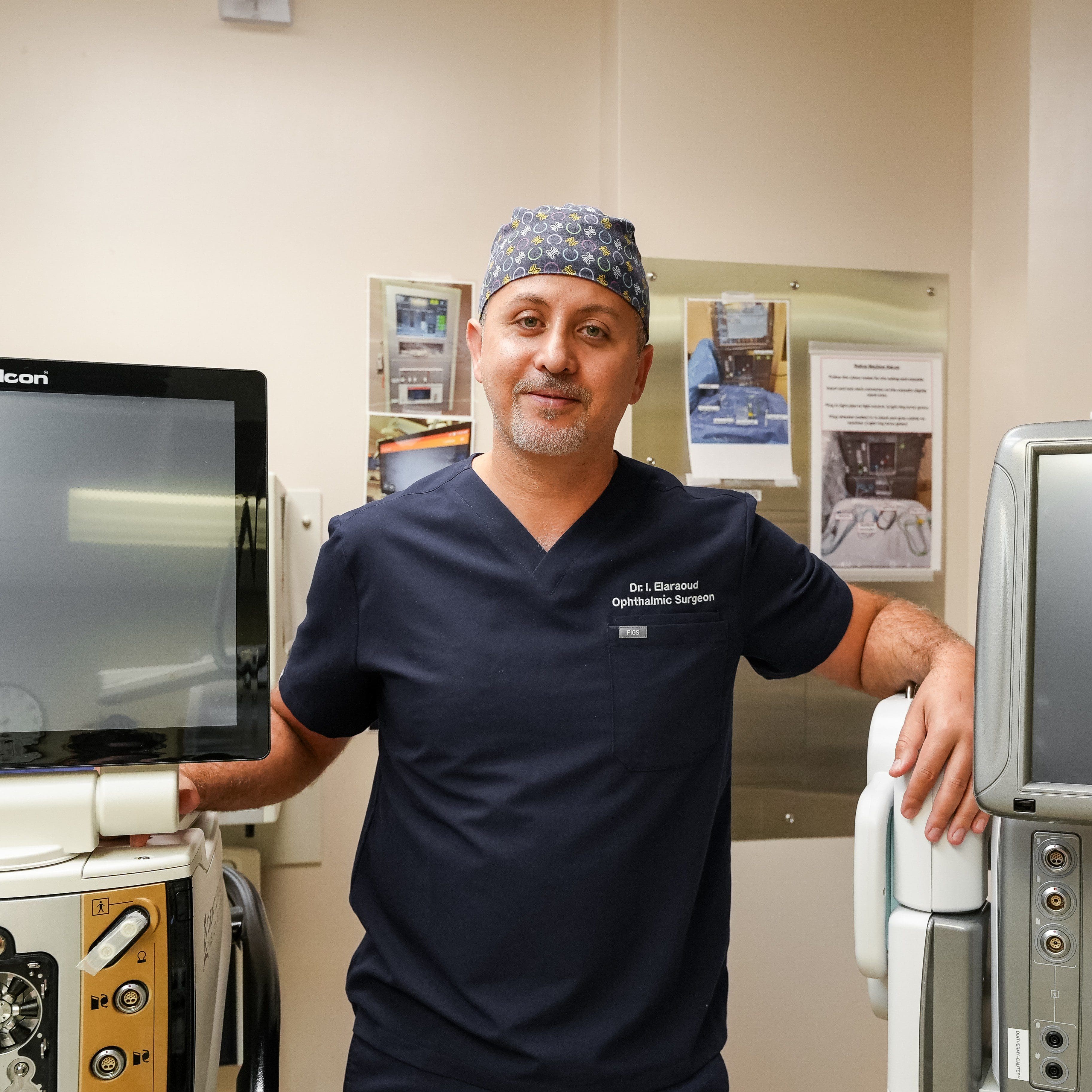
Dr. Elaraoud

Dr. Abdelghaffar
Our Specialized Retinal Treatments
In-Office Procedures
Including Intravitreal injections, cryopexy, and focal laser photocoagulation.
In-Office Diagnostic Testing
Our in office testing includes fundus fluorescein angiography, optical coherence tomography (OCT), and visual field testing,
In-Hospital Surgical Procesures
Performed in the Queen Elizabeth Hospital, our surgical team performs cutting edge surgeries.
Frequently Asked Questions - General
What is Retina Surgery?
Retina surgery refers to procedures aimed at repairing or restoring the retina, the light-sensitive tissue at the back of the eye. Common reasons for retina surgery include retinal detachment, macular holes, epiretinal membranes, and complications from diabetic retinopathy.
When is Retina Surgery Necessary?
Retina surgery is typically recommended when:
- There is a retinal detachment.
- A macular hole or epiretinal membrane is affecting vision.
- Severe bleeding or scarring occurs due to diabetic eye disease.
- Vision loss is progressing and cannot be managed with medication or laser treatment.
Who Will I See at My Appointment?
You will be seen by a retina specialist surgeon and possibly other members of the care team, such as technicians or nurses, who assist with diagnostic imaging and preparation.
What Should I Expect at My Appointment?
Your visit may include:
- A detailed eye examination with eye dilation.
- Imaging tests such as OCT or retinal photography.
- Discussion of your diagnosis and treatment options.
- Scheduling of surgery or injections if needed.
Do I Need to Bring Anything to My Appointment?
Please bring:
- Your health card and insurance information.
- A list of current medications.
- Any previous eye test results or referral letters.
- Sunglasses – your eyes may be dilated during the exam.
How Long Will My Appointment Take?
Most visits take 45-60 minutes, depending on the complexity of tests and consultations.
What Do I Need to Know About Eye Injections?
Eye injections are commonly used to treat conditions like macular degeneration and diabetic retinopathy. They:
- Are performed in-office under local anesthesia.
- Usually take only a few minutes.
- May require multiple sessions over a period of time.
- Have minimal downtime, but you may experience mild irritation or floaters temporarily.
Frequently Asked Questions About Surgery
After This Appointment, Will I Continue to be Seen by My Surgeon?
Yes, your retina surgeon will oversee your care and follow-up visits to monitor recovery and treatment progress.
Do I Need Any Specialized Supplies for My Recovery After Retina Surgery?
Some retina surgeries require face-down positioning while you recover. There is specialized face-down recovery equipment, such as chairs and cushions, that can be rented from medical supply companies.
Is Retina Surgery Painful?
Most retina surgeries are performed under local anesthesia with sedation or general anesthesia. Patients typically feel minimal discomfort during the procedure.
How Long Does Surgery Take?
The duration depends on the complexity of the case, but usually ranges from 30 minutes to 2 hours.
How Long Does it Take to Recover From Retina Surgery?
Recovery varies by procedure and individual health. Most patients resume normal activities within 2–6 weeks, but vision improvement may take several months.
Will My Vision Return to Normal After Surgery?
Vision recovery depends on the severity of the retinal condition and how quickly it was treated. While many patients experience significant improvement, some may have permanent vision changes.
What Are The Risks Associated with Retina Surgery?
Potential risks include:
- Infection
- Bleeding
- Increased eye pressure
- Cataract formation
- Re-detachment of the retina. Your surgeon will discuss these risks before the procedure.
What Should I Expect After Surgery?
You may need:
- Eye drops to prevent infection and inflammation.
- Positioning instructions (e.g., face-down) if a gas bubble was used.
- Follow-up visits to monitor healing.
Can Retina Surgery Be Done On Both Eyes at Once?
Usually, surgeries are performed on one eye at a time to minimize risk and allow proper recovery.
How Do I Prepare for Retina Surgery?
Preparation may include:
- Fasting before surgery.
- Arranging transportation.
- Stopping certain medications as advised by your doctor.